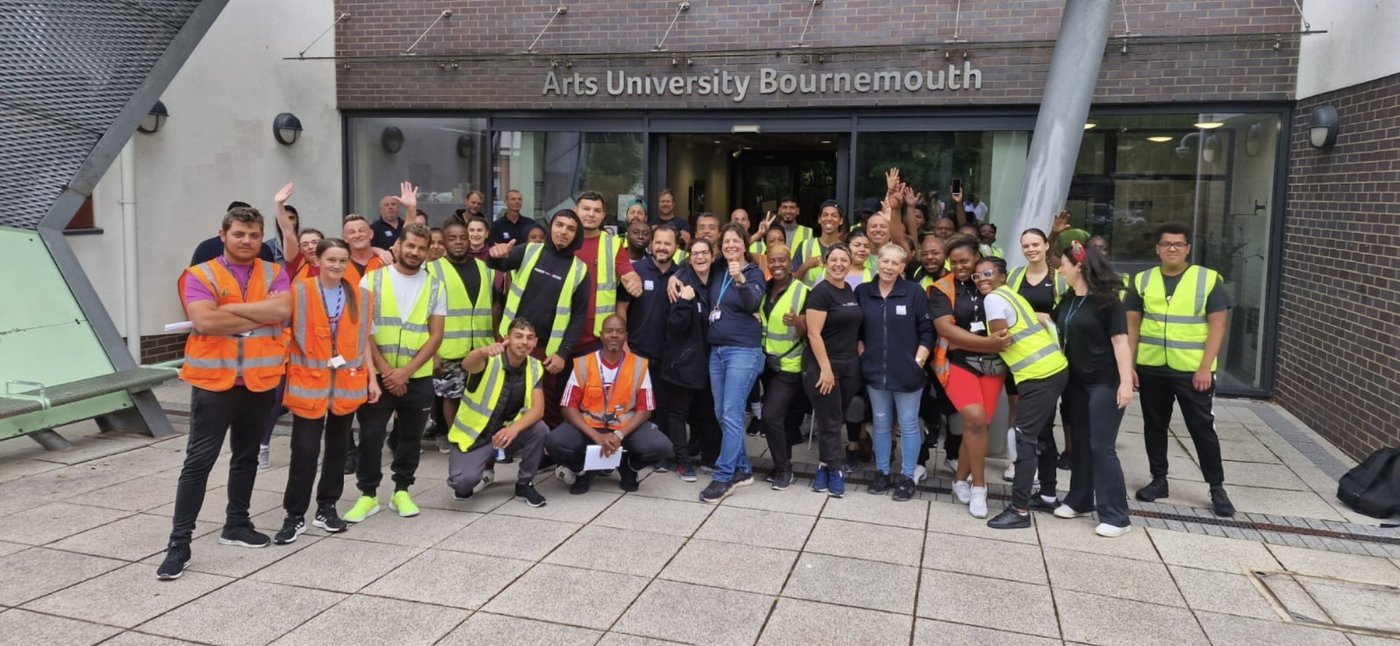
Most cleaning companies send one person to clean an entire room. We send six specialist teams through each room in sequence. Every team does one job, perfectly, before the next team enters. The result: 250 to 400+ rooms per day, every room inspected by 6 to 8 pairs of eyes before handover.
The standard approach to student accommodation cleaning is to assign one cleaner to one room. That person does everything: bathroom, bedroom, kitchen, surfaces, vacuuming. They make dozens of micro-decisions per room. They get tired. They rush the last rooms. Quality drops as the day goes on.
At 50 rooms, this works. At 500 rooms across multiple buildings, it falls apart. Inconsistency creeps in. Inspection failures pile up. Your accommodation team spends hours re-checking and chasing snags instead of managing the turnover.
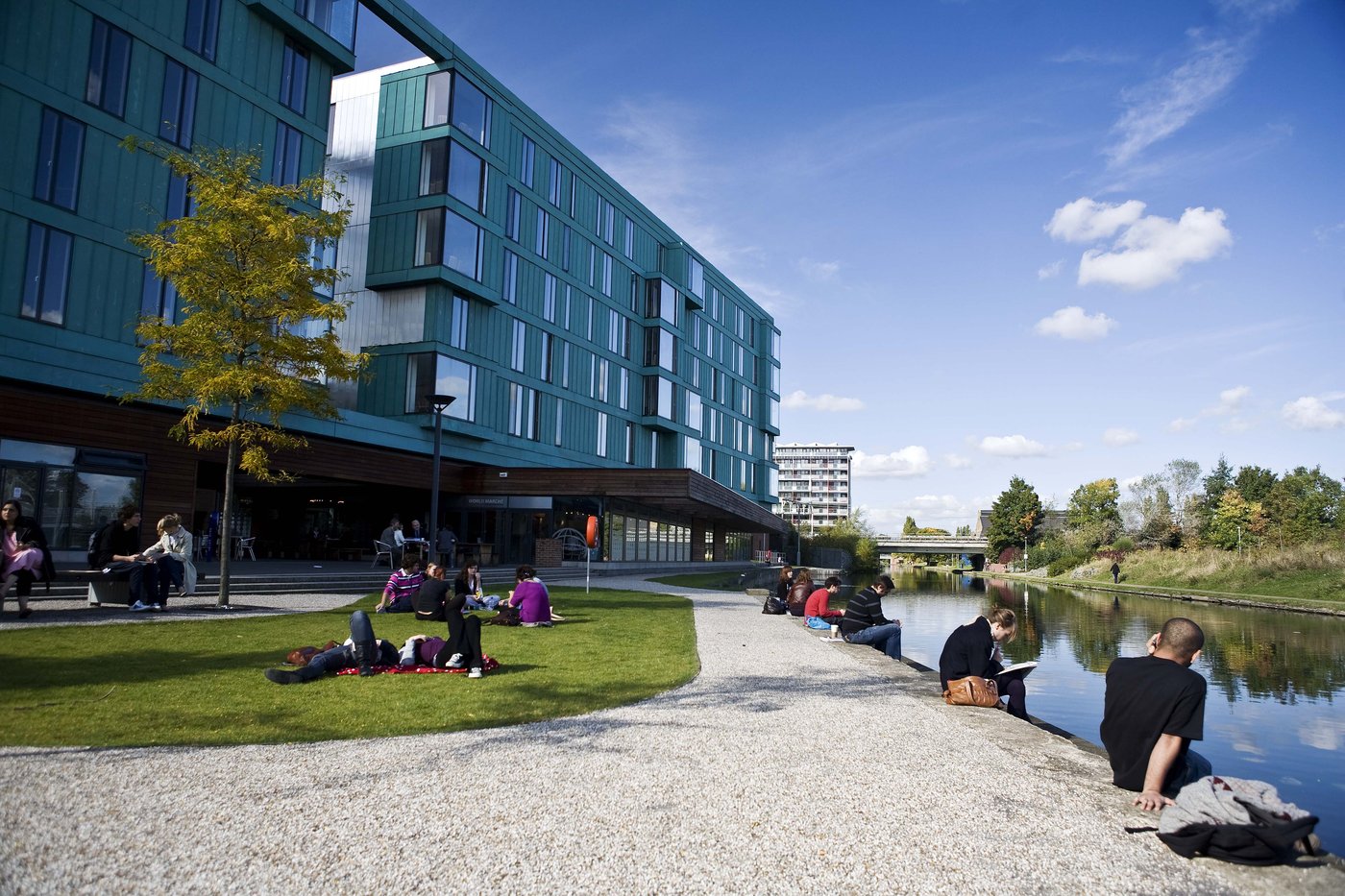
Each room passes through six teams in a fixed sequence. Staggered start times mean the vacuuming team enters last, so the finished room is undisturbed. Up to 8 pairs of eyes inspect every room before sign-off.
Enters first. Descaling, sanitising, deep cleaning all bathroom surfaces. Colour-coded red equipment to prevent cross-contamination with kitchen or bedroom areas.
All appliances, surfaces, cupboards, sinks. Colour-coded blue equipment. Oven decarbonisation handled separately by a specialist sub-team with dedicated tools.
Mattress inspection, bed frame cleaning, wardrobe interiors, desk surfaces, window sills, skirting boards. Every drawer opened, every shelf wiped.
Light switches, radiators, door handles, door frames, high-level dusting, low-level skirting. The details that get missed when one person does everything.
Hard floor mopping, carpet vacuuming and spot treatment. Enters second to last so earlier teams do not track through clean floors.
A supervisor walks the room against the contract specification checklist. Every item confirmed. The room is locked, marked complete, and logged in the daily progress report. If anything fails, it is fixed immediately before the team moves on.
| Aspect | F1 Pit Crew (PKC) | Traditional (one person, one room) |
|---|---|---|
| Rooms per day | 250 to 400+ | 60 to 100 |
| Inspections per room | 6 to 8 pairs of eyes | 1 pair of eyes |
| Decision fatigue | Eliminated (one task per team) | Increases through the day |
| Cross-contamination risk | Colour-coded equipment per zone | Same cloth, multiple surfaces |
| Consistency room to room | Identical process every time | Varies by individual |
| Progress visibility | 2-hourly room grid updates | End-of-day count |
| Snag resolution | Fixed before team moves on | Found at inspection, fixed later |
During summer turnovers, our entire team lives on-site in the accommodation we are cleaning. Two minibuses travel to the site together. No commuting, no lateness, no absenteeism. If you need 50 extra rooms cleaned by Friday, we are already there.
This model also cuts our carbon footprint dramatically. Two vehicles instead of 45+ individual journeys. No daily commute emissions. It is faster for you and better for the environment.
Full team assembly. The day's target buildings, room counts, and any changes to the schedule are confirmed. Supervisors allocate teams. Equipment and chemicals checked.
Teams deploy to their assigned buildings. The F1 Pit Crew sequence starts. Progress is tracked on a room-by-room grid, updated every two hours.
Your accommodation team receives the morning update: rooms completed yesterday, rooms in progress today, any issues flagged.
Management reviews pace against target. Teams rebalanced if any building is running ahead or behind schedule.
Your team inspects completed rooms alongside our supervisors. Any snags are fixed on the spot by a dedicated follow-up team.
Supervisors meet to review the day, confirm tomorrow's plan, and flag anything that needs attention. The cycle resets at 06:00.
No stock photography. These are real clips from PKC turnovers, filmed on-site at Newcastle University accommodation.